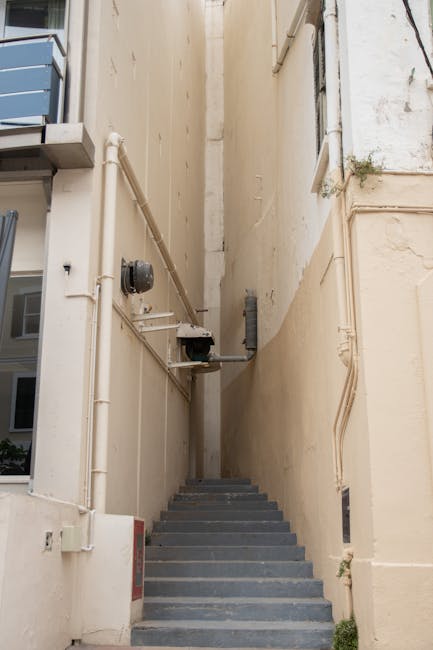
Man and van Harringay issues for narrow stairs and lifts: a practical guide for awkward access moves
If you are moving in Harringay and your building has a tight staircase, a small lift, or both, you already know the problem: the van is the easy part. The real challenge is getting sofas, wardrobes, mattresses, white goods, and boxy bits of furniture from a flat to the street without scuffing walls, blocking neighbours, or losing half the day. That is exactly where Man and van Harringay issues for narrow stairs and lifts become more than a booking detail; they shape the whole move.
This guide explains what goes wrong, what good planning looks like, and how to choose the right service for awkward access. You will also find a checklist, a comparison table, and a realistic example from the sort of flats and conversions people actually live in around Harringay. Truth be told, a calm move is usually the result of boring prep done well. And that's fine.
Why Man and van Harringay issues for narrow stairs and lifts Matters
Harringay has a mix of Victorian conversions, mansion blocks, newer flats, and homes with shared entrances. That variety is part of the appeal, and it is also why access can be awkward. A move that looks straightforward on paper can become slow and expensive when a landing turns sharply, a lift is too small for the largest item, or the front door opens onto a cramped hallway with no room to pivot.
Narrow stairs and lifts matter because they affect four things at once: safety, time, cost, and damage risk. If a wardrobe cannot turn on the stairwell, the crew may need to strip it down. If a lift is small or unreliable, items may need to be carried by hand. If the building has limited waiting space, the team may need to load in stages. All of that is manageable. But only if it is planned early.
Let's face it: most moving-day problems do not come from the van being too small. They come from not measuring the route between the flat and the vehicle. In our experience, people often remember the sofa dimensions and forget the stairwell. That tiny omission can throw off the whole schedule.
If you are comparing providers, it can help to look at a broader overview of removal companies in Harringay before deciding who is actually prepared for awkward access. A good team will ask the right questions before moving day, not after they have arrived and stared at the stairwell in silence.
How Man and van Harringay issues for narrow stairs and lifts Works
A well-run man and van service for tight-access properties usually follows a simple pattern. First, the mover gathers details about the property. Then they assess whether the lift can take the larger items, whether stairs need extra protection, and whether the route from door to van is clear enough for repeated trips. After that, they choose the right vehicle size, the right number of helpers, and the right packing method.
The practical workflow is often like this:
- Access check - stair width, landing turns, lift size, ceiling height, and doorway clearance are reviewed.
- Item review - bulky furniture is identified, especially wardrobes, beds, sofas, and anything awkwardly shaped.
- Protection planning - wall corners, bannisters, lift interiors, and floors may need covers or careful handling.
- Loading strategy - items are taken in a safe order so the largest pieces do not block the route.
- Final removal - the van is loaded efficiently, with fragile or heavy items secured properly.
With lifts, the biggest issue is not always size. It can be reliability. A lift that seems fine on the phone might be slow, busy, or occasionally unavailable on the day. That is why crews often want a backup plan for stairs, even if the lift is technically working.
With narrow stairs, the issue is physical movement. A mattress can bend; a fridge usually cannot. Some items need to go upright, some on their side, and some not at all unless they are pre-disassembled. If your provider does not talk about this before the move, that is a small warning sign.
You may also find it useful to review flat removals in Harringay if your move involves upper-floor access, as many of the same access checks apply.
Key Benefits and Practical Advantages
When the access plan is right, a man and van move can actually be a very good fit for a narrow-stairs or lift-heavy building. It is not the fanciest option, but it is flexible. And flexibility matters more than people think.
- Better control over timing - smaller crews can adapt more quickly when a lift is busy or a landing is tight.
- Reduced handling errors - with the right preparation, items are moved fewer times and with less improvisation.
- Suitable for compact loads - ideal if you are moving from a one-bed flat, student accommodation, or a furnished rental.
- Easy to pair with packing help - boxed items can be staged to make the stair journey smoother.
- More practical for awkward buildings - especially where a larger lorry would struggle to park or load.
There is also a commercial advantage. If you book a service that is used to tight access, you are less likely to pay for wasted time. A team that knows the area and the sort of buildings common in north London can plan around delays instead of treating them as a surprise. That matters if you are balancing keys, train times, children, or a same-day handover.
For anyone moving a few larger items rather than a full house load, man with van support in Harringay can be a sensible middle ground. It is not always about the biggest truck; sometimes it is about the right pair of hands and the right route.
Who This Is For and When It Makes Sense
This kind of move is useful for people in all sorts of real situations. A top-floor flat with a tiny lift. A converted house with a narrow stairwell and a bend halfway up. A student move with a bed frame, a desk, and a few heavy boxes. An office move from an upper floor where the lift is shared with other tenants. They all have the same basic problem: the building is harder than the move itself.
It makes sense if you are:
- moving in or out of a flat with limited internal space
- carrying bulky furniture that may need dismantling
- using a shared lift that could be small, slow, or busy
- moving from a building with narrow communal stairs
- trying to keep costs down without cutting corners on safety
- working to a tight schedule, such as before a lease handover
Students often assume a small move will be quick no matter what. That is not always true. A bed base that fits through a hallway on a good day can become awkward when there are three people in the corridor and a lift door keeps closing too soon. That is why student removals in Harringay can be worth considering if you want the job handled without a lot of stressful back-and-forth.
For larger family moves, the picture changes a bit. If the access is tight and you have heavy furniture, it may be worth looking at house removals in Harringay instead, especially where the load is bigger than a straightforward man and van can comfortably handle.
Step-by-Step Guidance
If you want to avoid the classic moving-day scramble, work through the process in this order. Simple, yes. But it really does help.
- Measure the route
Measure stair width, landing depth, door widths, lift internal dimensions, and ceiling clearance where needed. Don't guess. A tape measure and ten minutes can save an hour later. - List the awkward items
Write down anything oversized, fragile, or unusually heavy. Sofas, mattresses, drawers, glass tops, and washing machines need separate attention. - Ask about disassembly
Some furniture is much easier to move once partially dismantled. If the provider can help with that, ask early. - Check lift rules and access times
Some buildings have peak-use periods or service restrictions. If the lift cannot be booked, plan for waiting time. - Protect the route
Use covers, blankets, or corner guards where required. It is far easier to prevent a mark than to argue about it later. - Stage items near the exit
Keep boxes grouped by room and place the biggest objects closest to the door where safe to do so. - Load in a sensible sequence
Heavy items go first, fragile items later, and anything needed immediately should stay easy to reach. - Allow breathing room in the schedule
A lift delay, a parked van, or a neighbour in the hallway can happen. Build in a bit of slack. You will thank yourself for that later.
If your move involves more than furniture, good packing makes a visible difference. A properly labelled box does not just save time; it keeps corridors clear because fewer loose bits are being shuffled around at the last minute. See also packing and boxes in Harringay for the kind of preparation that makes access issues less painful.
Expert Tips for Better Results
The best advice is often the most unglamorous. Before the move, walk the route from the flat to the street exactly as the team will use it. You will spot low hanging lights, a sticky door closer, or the awkward bit of stairwell that never seemed important before. It is surprising how often one small obstacle changes the whole plan.
Here are the tips that tend to matter most:
- Take photos of the staircase and lift and share them with the mover if they ask. Pictures can reveal issues a phone description misses.
- Keep lift doors clear on moving day if your building allows it. A lift that keeps being blocked slows everything down.
- Wrap sharp corners on furniture before the crew arrives. That saves time and keeps the route safer.
- Use labels that say where things go, not just "kitchen" or "bedroom". A little detail goes a long way.
- Move small loose items first so the stairs are not cluttered by random bits and pieces.
If you have something unusually delicate, such as a piano, mention it early. There is a reason specialist services exist. A piano is not just "another heavy item"; it behaves differently on stairs, corners, and lifts. For that reason, piano removals in Harringay are best treated as a separate access conversation, not a standard box-tick.
One practical little trick: keep a kettle, charger, and the essentials bag somewhere obvious, not buried in the pile. You do not want to be hunting for a mug at 8:30 in the evening while staring at twelve identical boxes. Been there, regretted it.
Common Mistakes to Avoid
Most access problems are avoidable, which is the annoying part, really. The same mistakes come up again and again.
- Not measuring the lift - "it should fit" is not a measurement.
- Forgetting staircase turns - a straight width is only half the story if there is a sharp corner halfway up.
- Leaving disassembly until the morning of the move - that turns a simple job into a race against the clock.
- Assuming the lift will always work - shared lifts do fail, stall, or get busy.
- Packing too many heavy boxes - narrow stairs and overloaded boxes are a bad combination.
- Ignoring parking and loading space - if the van cannot get close, the whole process becomes slower and riskier.
Another common error is booking on price alone. A cheap quote that ignores awkward access is not really cheap if the mover later adds time, labour, or extra handling. That is why it pays to read the details carefully and ask what the quote actually includes. If you want to compare prices with fewer surprises, pricing and quotes information is a useful place to start.
There is also a quieter mistake: not thinking about the after-move space. If the new flat has tiny rooms and a narrow hallway, you may need temporary storage or staged delivery. That is not a failure; it is just sensible planning. If that sounds familiar, storage in Harringay may be worth exploring.
Tools, Resources and Recommendations
You do not need specialist kit for every move, but a few basic tools make narrow-stair jobs much easier. A tape measure is the obvious one. Soft furnishings blankets, stretchy wrap, furniture sliders, and a simple torch can also be surprisingly useful. Nothing fancy. Just practical.
Recommended approach:
- Tape measure for stair width, lift interior, and furniture dimensions
- Furniture blankets or pads to reduce scuffs
- Protective wrap for drawers, doors, and loose parts
- Marker labels for boxes and dismantled furniture parts
- Basic toolkit for removing legs, shelves, and bed frames
- Phone photos of awkward routes, lift controls, and any tight corners
If you are unsure how much help you need, look at the service mix rather than just the job title. A flexible services overview can help you decide whether you need a simple carry, a more structured moving team, or extra protection for valuables.
For people moving smaller loads, a compact removal van in Harringay may be enough. For bigger or more awkward loads, it is better to be slightly over-prepared than to discover halfway through that the sofa is now permanently attached to the stairwell. Not ideal.
Law, Compliance, Standards, or Best Practice
For this kind of move, the main concerns are safe handling, reasonable care, and avoiding damage to people or property. In the UK, moving work is usually guided more by general safety duties and good practice than by one single rulebook specific to stairs and lifts. That means the practical responsibility sits with both the mover and the customer: the mover should handle items safely, and the customer should provide accurate access details.
Best practice usually includes:
- being honest about the size and weight of items
- giving accurate access information before booking
- using enough people for heavy or awkward pieces
- protecting walls, floors, doors, and lift interiors where appropriate
- making sure any dismantling or lifting is done safely
If a building has accessibility features, shared spaces, or rules about moving times, those should be respected. It is also sensible to ask how the provider handles insurance and what happens if access is misdescribed. That is not being difficult. It is simply good housekeeping.
For trust and transparency, many customers also like to understand a company's working standards before booking. Pages such as health and safety guidance, insurance and safety details, and terms and conditions can be useful when you want to know how a mover thinks about risk and responsibility. That is especially relevant if stairs are involved and the job carries a little more chance of snagging a wall or frame.
Options, Methods, or Comparison Table
Not every move needs the same setup. The right choice depends on access, item volume, and how much help you need on the day. Here is a simple comparison to make the decision clearer.
| Option | Best for | Strengths | Limitations |
|---|---|---|---|
| Man and van | Small to medium loads, compact flats, flexible timing | Quick, adaptable, often easier to fit around tight access | Can be stretched by large furniture or awkward stair turns |
| Man with van | Light moves and a few bulky items | Simple, practical, often good for short local jobs | May need extra help if the stairs are very narrow |
| Flat removal team | Upper-floor flats, heavy items, shared buildings | Better suited to lifts, stairwells, and building logistics | May cost more than a basic carry service |
| Full house removals | Larger households and mixed furniture loads | More manpower and structure for difficult access | Can be more than you need for a small flat move |
If you are on the edge between two options, be practical. A move that includes a bulky wardrobe, a washing machine, and a small lift often benefits from more support than the phrase "man and van" might suggest. The label matters less than the actual plan.
Case Study or Real-World Example
Here is a realistic example. A tenant is moving from a second-floor flat near Harringay. The building has a narrow internal staircase with one awkward turn and a small lift that can fit boxes but not the bed base. There is also limited pavement space outside, so the van needs to load quickly without blocking the entrance.
What works best in a case like this? First, the bed base is dismantled the day before. The mattress is wrapped and measured so there are no surprises. The washing machine is disconnected ahead of time. Boxes are grouped by room and labelled in a way that avoids repeated trips up and down the stairs. On the day, the mover uses the lift for smaller items and the stairs for larger pieces that can safely be carried. The result is not dramatic, just efficient.
That kind of move looks ordinary from the outside. But if one item had been left assembled, or if the lift had been assumed to take everything, the schedule could have gone sideways quickly. It is the little bits of prep that save the day. A boring miracle, really.
For local route awareness and planning around narrow streets, it can also help to read about removals on narrow streets around Haringey and parking and loading tips for moving day in N4. If your move is close to a station or a busy road, those practical details become even more important.
Practical Checklist
Use this before you book and again the day before the move.
- Measure the stairs, lift, doors, and any sharp turns.
- List all bulky items and note anything that may need dismantling.
- Check whether the lift is working reliably and whether it can be booked.
- Confirm parking or loading space near the building.
- Tell the mover about fragile, heavy, or unusually shaped items.
- Pack boxes firmly but not too heavy for stairs.
- Label boxes by room and priority.
- Protect floors, corners, and bannisters if needed.
- Keep essentials separate and easy to reach.
- Allow a little extra time in case access takes longer than expected.
If you are moving out quickly, or if the keys have been delayed, having a backup plan helps. A short stay in storage or a same-day move can reduce pressure when building access is awkward. See same-day removals in Harringay if timing is your main headache.
And if you want a better sense of the locality you are moving in or out of, there is a helpful perspective in this local guide to calling Haringay home. It is useful context when you are deciding whether the move itself is worth the hassle.
Conclusion
Man and van Harringay issues for narrow stairs and lifts are really about one thing: planning around the building, not just the furniture. If you measure the route, identify the awkward items, and choose a mover who asks sensible questions before the day arrives, the whole job becomes calmer and safer. That is especially true in flats, conversions, and shared buildings where a tiny lift or tight stairwell can slow everything down.
To be fair, you do not need a perfect plan. You just need a better-than-average one. A decent access check, realistic timing, and a crew that understands tight spaces can make a surprisingly big difference. And once the last box is inside and the stairs are finally quiet, it all feels much easier than it did at 7 a.m.
Get a free quote today and see how much you can save.
For readers who want to compare service details before booking, pages on removals in Harringay, man and van services, and furniture removals in Harringay can also help you match the service to the job rather than forcing the job to fit the service. Small difference. Big relief.
Frequently Asked Questions
Can a man and van service handle narrow stairs in Harringay?
Yes, often it can, as long as the items are suitable and the access is described accurately in advance. Narrow stairs usually require more careful handling, possible disassembly, and a bit more time than a straightforward ground-floor move.
What if the lift is too small for my furniture?
If the lift is too small, the item may need to go by stairs, be dismantled, or be moved using a different method. It is better to find that out before moving day rather than after the van has arrived and everyone is standing around doing geometry.
Should I book a bigger removal service for a flat with stairs?
Sometimes, yes. If you have several heavy items, awkward corners, or a very small lift, a larger team may be safer and faster. The right choice depends on load size, access, and how much time you have.
Do movers usually dismantle furniture for tight staircases?
Many do, but not all items or all bookings include it. It is best to ask early. Beds, wardrobes, and some tables are much easier to move once partially taken apart.
How do I know if my flat access is too difficult for a man and van?
If the staircase is very narrow, the lift is unreliable or tiny, or your biggest items are bulky and awkward, you should flag it when you request a quote. A good mover will tell you whether the job is suitable and what extra help may be needed.
Will narrow stairs make my move more expensive?
They can, because awkward access may take more time and more handling. That said, the cost impact depends on the number of items, the need for dismantling, and whether extra labour is required. A clear quote is the best way to avoid surprises.
What should I measure before booking?
Measure the staircase width, landing size, lift dimensions, door frames, and any sharp turns. If possible, measure your largest items too. The more accurate the information, the less likely you are to hit a last-minute problem.
Is it better to use the stairs or the lift?
It depends on the item and the building. Lifts are useful for boxes and some medium items, but stairs may be safer for pieces that are too large for the lift or likely to get stuck. Sometimes the answer is both.
What can I do to reduce damage in a narrow stairwell?
Protect corners, keep the route clear, wrap sharp edges, and make sure the mover knows about any fragile surfaces. Good handling and a bit of padding can prevent the sort of little scuffs that somehow become the thing you stare at for weeks.
Do I need to tell the mover about the lift in advance?
Yes. You should tell them whether there is a lift, how large it is, whether it is shared, and whether it is working properly. Lift details can change the whole moving plan.
Can I combine storage with a narrow-stairs move?
Absolutely. Storage can be a very sensible option if not everything can move safely on the same day, or if your new place has access issues. It helps reduce pressure and gives you more control over the move.
What is the best way to choose between man and van and full removals?
Think about volume, access, and risk. If the job is small and the access is manageable, man and van may be enough. If there are lots of heavy pieces or a very awkward building, a fuller removals service may be the smarter choice.
Where can I find more information about local moving services?
You can compare related options such as man with a van services, removal services in Harringay, and office removals in Harringay if your move involves a workplace, a flat, or a mixed-use building.
What if I have a complaint after a difficult move?
If something goes wrong, it is best to raise it promptly and clearly with the company. You can also review the provider's complaints procedure so you know how concerns are handled. Calm, factual detail usually gets you further than frustration alone.