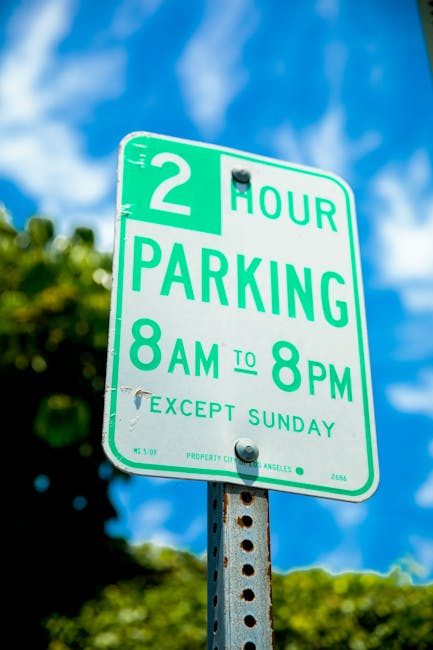
Street parking rules Harringay removals and loading bays: a practical guide for moving day
If you are planning a move in Harringay, the part that catches people out is often not the boxes, it is the curbside. Street parking rules Harringay removals and loading bays can shape the entire day, from how close the van can get to the property to whether loading takes ten minutes or turns into a long, awkward shuffle up and down the pavement. In a busy North London street, that matters more than most people expect.
This guide breaks the topic down in plain English. You will see how loading bays usually work, why street parking choices affect removal timing, what to check before move day, and how to avoid the classic mistakes that lead to stress, delays, or unnecessary costs. Truth be told, a little planning at the kerb can save a lot of sweat indoors.
Why Street parking rules Harringay removals and loading bays Matters
For removals, street parking is not a minor detail. It affects safety, speed, access, neighbour relations, and whether the team can work efficiently without repeatedly carrying heavy items further than necessary. If a van has to park half a street away, every trip becomes longer. That adds strain, time, and a fair bit of noise on a day that is already busy enough.
Harringay has the kind of streets where parking space can feel scarce, especially later in the morning when trades vehicles, residents, deliveries, and school runs all seem to arrive at once. That means a removal plan needs to think beyond the front door. Where can the van stop? Is there a loading bay nearby? Is the space time-limited? Is there room for the tail lift to operate safely, or will the crew need to hand-carry everything?
The parking question also affects compliance. If you assume you can stop anywhere, only to find the road has waiting restrictions, a resident-only bay, or a no-stopping section, the move can unravel quickly. And nobody wants that sort of surprise at 8:15 on a wet Tuesday. It is one of those situations where a few minutes of checking can prevent a whole morning of damage control.
Expert summary: The best removal days in Harringay are rarely the ones with the fanciest truck. They are the ones where the parking plan is sorted early, the loading bay is understood properly, and everyone knows where the vehicle can legally stop.
How Street parking rules Harringay removals and loading bays Works
Street parking rules around removals are usually shaped by a mix of local restrictions, road markings, time windows, and practical access. In simple terms, you need to understand where a vehicle may stop, for how long, and whether stopping for loading is allowed at that time.
Loading bays are meant to support genuine loading and unloading activity. That sounds obvious, but the key word is genuine. You typically cannot treat a loading bay as a casual waiting space. The van should be actively being loaded or unloaded, and the activity should be reasonable for the job in hand. For a house move, that might mean repeated trips between property and van while furniture, boxes, and fragile items are moved as efficiently as possible.
Street parking rules may also differ depending on the exact bay type. A bay marked for loading only, for example, is not the same as a pay-and-display bay or a general waiting bay. Some streets will allow short-term stopping for loading; others may restrict it during certain hours. You may also encounter resident permit controls, single or double yellow lines, and kerb blips that signal additional restrictions. If you are not sure what the markings mean, do not wing it. That is how expensive mistakes happen.
From a removals perspective, there are usually three planning layers:
- Access layer: Can the van get close enough to the property safely?
- Timing layer: Is stopping permitted at the time you actually need it?
- Operational layer: Can the team load quickly without blocking traffic or risking a ticket?
In the real world, those layers interact. A loading bay is not just a parking space; it is part of the moving route. If your sofa has to navigate a tight stairwell, a narrow pavement, and then a bay two doors away, the job becomes more complex. That is where a removal plan starts to matter.
Key Benefits and Practical Advantages
Getting the parking side right is not just about avoiding fines. It improves the whole move.
- Faster loading and unloading: The closer the van is to the property, the fewer carrying trips you need.
- Lower physical strain: Shorter carrying distances reduce the chance of fatigue and mishaps.
- Better protection for furniture: Fewer steps, kerbs, and long carries mean less risk of knocks and scuffs.
- Cleaner coordination: When parking is arranged properly, everyone knows where to go and what to do.
- Less disruption: A well-managed loading stop is usually kinder to neighbours and passing traffic.
- More accurate scheduling: If the team can work without parking drama, your moving timeline is much more dependable.
There is also a quieter benefit: peace of mind. Moving day already comes with enough moving parts. Knowing that the van has a sensible place to stop takes one worry off your plate. And honestly, that is worth a lot.
For customers using man and van services, this can be even more important because the vehicle size and parking choice are closely linked. A smaller van may fit more neatly into tighter streets, while a larger vehicle may need a more deliberate bay strategy. If you are moving a full household, you may find home moves or house removals more suitable, especially where parking access needs a bit more coordination.
Who This Is For and When It Makes Sense
This guidance is useful for anyone moving in or out of Harringay, but some people will feel the parking pinch more than others.
- Flat movers: Top-floor flats and converted buildings often have limited roadside access, so flat removals need particularly good kerbside planning.
- Families moving larger homes: More furniture means more trips, more time, and a stronger need for close parking.
- Students: Student moves are often time-sensitive and sometimes squeezed into busy weekends, so student removals benefit from a simple loading plan.
- Businesses: Office moves and commercial relocations usually need tighter coordination, especially if staff, deliveries, and customer access are all in play. See commercial moves and office removals.
- People booking a same-day move: When time is short, parking becomes even more critical. A same-day removals job leaves less room for error, so every detail needs to be set up properly.
If you are moving a bulky item such as a piano, large wardrobe, or heavy sofa, the parking decision matters even more. Heavy items do not forgive long carries, awkward angles, or bad roadside positioning. That is the point where you want experienced hands and a vehicle plan that makes sense. For especially awkward or specialist items, piano removals are a good example of why access planning should never be left to chance.
Step-by-Step Guidance
Here is a practical way to handle street parking and loading bay planning before move day.
- Check the road outside both properties. Look at markings, signs, bay types, and any obvious restrictions. Do not rely on memory. Streets change, and one end of a road can differ from the other.
- Note the likely loading point. Ask yourself where the van can stop without blocking driveways, junctions, or dropped kerbs.
- Think about timing. A bay that is fine at 10:30 may not be fine at 8:30. Always match your chosen slot to the actual restrictions.
- Measure the practical route. Not just from van to front door, but from front door to stairs, lift, hallway, and final room. It is easy to overlook the little distance that becomes a big one.
- Match vehicle size to the street. If the road is tight, a more compact vehicle may be easier to position safely. If the move is large, a bigger van may still be necessary, but it needs more planning.
- Prepare the property for quick loading. Boxes should be stacked sensibly, furniture should be grouped, and fragile items should be ready to go first if needed.
- Keep an eye on neighbours and traffic. A polite, efficient load is usually much easier than a slow, obstructive one.
- Have a backup option. If the first bay is occupied, know the next legal place to stop. That little bit of foresight helps enormously.
A useful habit is to walk the route yourself the day before. You will notice things you missed in the planning stage: a narrow corner, a van already parked in the space you wanted, or a sign hidden behind a tree. Happens all the time, to be fair.
Expert Tips for Better Results
These are the small things that make a removal day feel smoother and more professional.
- Book the move with parking in mind, not just time in mind. Two jobs starting at the same hour can feel completely different if one has easy loading access and the other does not.
- Use a loading bay strategically. If the bay is close but the route is awkward, a slightly different stopping point may actually be safer and faster.
- Keep the first load ready by the door. If the van is parked legally and the team can move straight away, you get more value from the available stopping window.
- Protect the pavement route. Runners, blankets, and careful carrying help reduce scrapes and knocks when the path from property to vehicle is busy.
- Be realistic about what one parking space can support. A full two-bedroom flat, for example, may need more than a quick stop-and-go arrangement.
- Choose the right service model. If your move includes unpacking, fragile items, or storage between addresses, services like packing and unpacking services or storage can take pressure off the day and reduce curbside chaos.
One thing we often see: people spend ages worrying about whether the van will fit, and forget the loading sequence. In reality, a smart loading order can save more time than another five minutes circling the block. Start with the items that are awkward to lift, then build out from there. Simple, but it works.
Common Mistakes to Avoid
Some mistakes are small on paper and huge on the day. Here are the ones that come up most often.
- Assuming any stop is okay for loading. Not every street space allows loading at every time.
- Forgetting the return journey. You may have a clear spot at departure, but the same bay may be occupied when you come back for the final load.
- Parking too far from the property. A cheap shortcut can become expensive in time and labour.
- Ignoring height, width, and turning space. A bay may be legal but still awkward if the road layout is tight.
- Leaving boxes until the last minute. That slows the loading process and makes short parking windows much more stressful.
- Not coordinating with the removal team. If the driver arrives and nobody has checked the street, everyone loses time.
- Using the loading bay as a waiting area. If you are not actively loading, that can create a problem.
It sounds obvious, but one of the quickest ways to lose control of a move is to think, "We'll sort parking when we get there." That phrase has caused more headaches than I care to count.
Tools, Resources and Recommendations
You do not need a toolbox full of fancy apps to get this right. What you do need is a simple process.
- A street photo or notes: Photograph signs, bays, and markings a few days ahead if you can.
- A printed moving plan: Old-fashioned, yes, but useful when phones are packed away or signal is weak.
- A room-by-room packing list: Helps the team load in the right order.
- Basic tape, labels, and markers: This keeps the loading sequence tidy.
- Good communication with your removals provider: A quick discussion about access can prevent unnecessary problems.
If you are comparing moving support, it helps to look at the type of job, not just the headline service name. A small city-centre flat may suit a compact removal van, while a larger family move might justify removal truck hire or a broader removal services package. For business moves, an experienced office relocation services team can also help balance parking, timing, and building access.
You may also want to review company policies before booking. It is not thrilling reading, granted, but pages such as insurance and safety, health and safety policy, and terms and conditions can tell you how seriously a provider takes planning, handling, and risk management. That matters when vehicles are stopping in live streets.
Law, Compliance, Standards, or Best Practice
Street parking for removals sits at the intersection of practical moving work and everyday road rules. You do not need to become a traffic lawyer, but you do need to respect the local restrictions that apply to the street. In the UK, road markings and signs are the starting point. If a bay is signed as loading only, then it should be used for loading activity only. If waiting is restricted, do not assume your move automatically gets an exemption.
Best practice is to treat every stop as if it will be checked later. That means:
- keeping the vehicle aligned with the bay or lawful stopping place
- loading efficiently without unnecessary delays
- avoiding obstruction of junctions, driveways, crossings, and pedestrian routes
- making sure the driver can move away promptly if needed
- planning around local restrictions rather than hoping for leniency
If you are unsure about a bay, the safest approach is not to guess. Use the signage, the road markings, and common sense together. When in doubt, build in more time and choose a safer stopping option. That is usually cheaper than dealing with a penalty or a disrupted move.
For commercial premises, additional building rules may apply, such as loading dock procedures, concierge instructions, access controls, or timed vehicle entry. Those are not road rules exactly, but they matter just as much. If your move involves stock, equipment, or workspace furniture, the planning should include both the street and the building.
Options, Methods, or Comparison Table
Different parking and loading approaches suit different moves. Here is a simple comparison to help you decide what fits best.
| Option | Best for | Strengths | Possible drawbacks |
|---|---|---|---|
| Direct street-side loading | Short moves, light loads, quiet streets | Fast, simple, efficient | Depends heavily on legal stopping space |
| Loading bay use | Busy streets with marked bay access | Good proximity, clear workflow | Time limits and restrictions may apply |
| More compact van | Tight residential streets | Easier to position, less awkward to park | May require extra trips for larger loads |
| Larger removal truck | Full-house or commercial moves | More capacity in fewer journeys | Needs more careful street planning |
| Staged move with storage | Complex moves, delayed handovers | Reduces pressure on one loading window | Requires extra coordination |
There is no single perfect method. The right answer depends on property type, volume, timing, and the actual street layout. A student studio on a side road is a different beast from a family house on a busy terrace.
Case Study or Real-World Example
Picture a typical Harringay move on a narrow residential street. The property is a first-floor flat with a decent staircase but no driveway. On paper, it seems straightforward. In practice, the street is already busy by late morning, and parking spaces disappear quickly.
The sensible approach would be to check whether a nearby loading bay is available during the chosen slot, then plan the loading order around that stopping point. Boxes from the lounge and bedroom are prepared first. The heavier items, including a sofa and a mattress, are kept near the front of the flat so they can go out early. The driver parks legally, the team works in a steady rhythm, and the bay is used properly for active loading. No circling. No last-minute panic. Just a fairly calm, well-run move.
Now compare that with the less careful version. The van arrives, the crew cannot find a safe stop, someone parks too far away, and the loading sequence stalls. Every trip takes longer. Neighbours get annoyed. The customer gets frazzled. And yes, the whole thing starts to feel twice as long as it actually is. You can almost hear the boxes sighing.
The difference is not luck. It is planning.
Practical Checklist
Use this checklist the day before your move, and again on the morning if needed.
- Confirm the exact address and access point for both properties
- Check nearby street signs, road markings, and bay restrictions
- Decide where the van can stop legally for loading
- Identify a backup stopping point in case the first space is occupied
- Tell the removal team about stairs, lifts, narrow entrances, or heavy items
- Keep boxes grouped and clearly labelled
- Set aside essentials you do not want loaded by mistake
- Make sure pets, children, and neighbours are considered during the load
- Have keys, parking notes, and contact details ready
- Review service details such as pricing and quotes and contact options if you need to clarify anything before the day
Small checklist, big difference. And it really does help.
Get a free quote today and see how much you can save.
Conclusion
Street parking rules Harringay removals and loading bays are one of those topics that seems minor until you are standing on the pavement with a sofa, a trolley, and a van that cannot stop where you hoped. Once you understand the street, the timings, and the loading setup, the whole move becomes far more manageable.
The main idea is simple: treat parking as part of the removal itself, not as an afterthought. That mindset helps you stay legal, stay organised, and keep the day moving. Whether you are handling a small flat move, a full household relocation, or a business move with tighter access needs, a good curbside plan gives you a real advantage.
And if you want the honest version, a smooth move usually feels less dramatic than people expect. A few checks, a sensible vehicle choice, a clear loading bay strategy, and a calm start are often enough. The boxes still make a bit of a thud, the kettle still gets packed too early, but the day goes better. That counts for a lot.
Frequently Asked Questions
Can a removals van stop in a loading bay in Harringay?
Often yes, but only if the bay allows loading at that time and the vehicle is actively loading or unloading. Always check the signs and markings first. Do not assume every loading bay works the same way.
Do I need to reserve street parking for my move?
It depends on the street and the local rules. In some cases, planning a legal stopping place is enough; in others, you may need a more formal arrangement. If the road is busy, it is wise to plan early rather than hoping for a gap on the day.
What if the loading bay is already occupied?
Have a backup option ready. A sensible moving plan should include an alternative legal stopping point nearby. Otherwise the team may lose time driving around or carrying items further than necessary.
Are loading bays only for commercial moves?
No. Loading bays are used for genuine loading and unloading activity, which can apply to household moves as well as business moves. The important part is that the use matches the restriction shown on the road.
What is the best van size for a narrow Harringay street?
There is no one-size-fits-all answer. A smaller van may be easier to park and position, while a larger vehicle may reduce the number of trips. The right choice depends on the volume of items and the actual street layout.
Can I leave a van in a loading bay while I go back inside?
Only if the loading activity is still genuine and continuous enough to fit the bay's purpose. Leaving the van for an extended break is risky. If in doubt, keep the process moving and avoid unnecessary delays.
How far should the van be from the property entrance?
Close enough to make loading efficient and safe, but not so close that it blocks access or creates a hazard. The ideal distance is usually the shortest lawful and practical option.
What should I do if my move involves heavy furniture?
Prioritise closer parking, clear routes, and a sensible loading order. For awkward or heavy items, specialist services such as furniture removals can make a real difference.
Are street parking rules different for weekend moves?
They can be. Some restrictions may be time-based, and weekends can also bring different parking patterns from residents, visitors, and local activity. Check the timing carefully rather than assuming the weekend is easier.
What if my new home is a flat with no driveway?
That is very common in London. In those cases, parking and loading bay access matter even more. A service like flat removals is often built around exactly this kind of access challenge.
Do I need extra help for a large house move?
Usually, yes. Larger homes mean more items, more time, and more risk of parking delays affecting the whole day. A full house removals plan can help coordinate access, lifting, and loading in a way that feels much less frantic.
How do I avoid upsetting neighbours on moving day?
Use the shortest legal loading stop possible, keep noise down, and move efficiently. A tidy, respectful load is usually noticed more for being considerate than for being intrusive. That small bit of care goes a long way.