Removals Harringay Ladder best routes for large vans
Posted on 09/05/2026
Removals Harringay Ladder Best Routes for Large Vans
If you are moving in the Harringay Ladder area with a large van, the route matters just as much as the lifting. One wrong turn, a tight corner, or a badly timed arrival can turn a straightforward move into a slow, stressful day. The good news is that with a bit of local planning, Removals Harringay Ladder best routes for large vans becomes less of a guessing game and more of a calm, workable process.
This guide breaks down how to choose sensible access routes, what large vans struggle with in the Ladder, how to reduce delays, and where a more compact vehicle or a staged loading plan may actually be the smarter move. If you are comparing services too, pages like removal services in Harringay and man with van Harringay can help you match the vehicle to the job instead of forcing the job to fit the vehicle. Simple, really. But that simple step saves a lot of grief.
The Harringay Ladder has a very particular feel: terrace streets, parked cars, narrower access points, and the occasional awkward pinch point that can make a large removals van feel bigger than it looks on paper. So let's get practical.
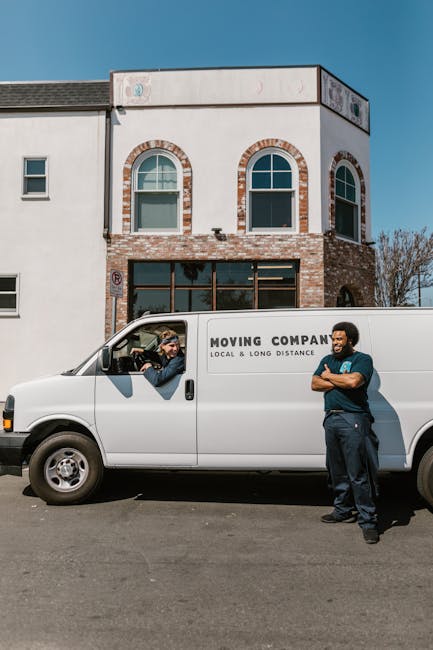
Why Removals Harringay Ladder best routes for large vans Matters
Large vans are brilliant for moving volume, but they are not nimble little city vehicles. In the Harringay Ladder, that matters a great deal. Streets can be busy, parking can be tight, and turning space can disappear quickly if a neighbour has parked a long vehicle near a corner. If you arrive without a route plan, you may end up reversing more than you expected, which is never ideal on a residential street with people walking dogs, kids on bikes, and delivery drivers doing their own dance of impatience.
The main point is not just getting from A to B. It is getting there without blocking access, causing avoidable stress, or putting the vehicle, your belongings, or nearby property at risk. A good route plan helps you work with the area rather than against it.
If you are dealing with a full house move, a heavier furniture load, or an awkward item such as a piano, route planning becomes even more important. In those cases, it can be worth reviewing house removals in Harringay or piano removals Harringay to see how a specialist team handles access and handling. Not every job needs the biggest van, to be fair. Sometimes the smartest move is the most adaptable one.
Key takeaway: In the Harringay Ladder, the best route for a large van is usually the one that reduces turning pressure, avoids long reversing manoeuvres, and gets you as close as possible without creating a parking problem.
How Removals Harringay Ladder best routes for large vans Works
Route planning for a large van is part geography, part timing, and part common sense. You are not just picking the shortest line on a map. You are choosing streets that allow the vehicle to enter, slow down, turn, stop, and leave safely with minimal disruption.
In practice, that means looking at a few things together:
- Street width: Enough room for the van to pass parked cars without scraping mirrors or forcing a complicated reverse.
- Turning points: Places where a large van can safely change direction without shunting back and forth.
- Parking reality: Whether there is enough space to load near the property, even for a short window.
- Traffic flow: The time of day can matter as much as the route itself.
- Road layout: One-way stretches, junction shape, and local pinch points can all affect the best access plan.
For many moves in the Ladder, the actual best route is the one that keeps the large van on more predictable, less fussy roads until the last possible moment. Then the final approach is handled carefully, with a good eye on where the van can stop without causing hassle. That may sound obvious, but it is exactly the sort of detail that gets missed when people rush.
If your move also involves smaller access, split loads, or a quicker turnaround, a more compact option can be the better fit. You can compare that with man and van Harringay, man with a van Harringay, or removal van Harringay. The vehicle choice should support the route, not fight it.
And yes, route planning may also involve timing around school runs, bin collection days, or that one street where everyone seems to move their car at exactly the wrong time. London, eh?
Key Benefits and Practical Advantages
Choosing the right route for a large removals van in the Harringay Ladder has benefits that are much more practical than glamorous, but those are the benefits that matter on moving day.
- Less reversing: Fewer awkward manoeuvres means lower risk and less stress for everyone involved.
- Quicker loading and unloading: Better access usually means less carrying distance and faster handovers.
- Lower chance of damage: Tight turns and repeated adjustments are where scrapes and bumps often happen.
- Better neighbour relations: A van that arrives, loads efficiently, and moves on politely is always appreciated.
- Stronger schedule control: When access is planned well, the rest of the move tends to stay on track too.
There is also a less obvious benefit: calm. A move feels different when the route has been thought through. You are not standing on the pavement wondering whether the van can actually get round the corner. You know the plan. That changes the mood of the day more than people expect.
For people comparing service levels, this is one reason some customers prefer a broader removals team rather than a purely transport-only option. Pages like removal companies Harringay and services overview can help you see what is included beyond simple vehicle hire.
Who This Is For and When It Makes Sense
This topic is relevant if you are moving from or within the Harringay Ladder and any of the following apply:
- You have a medium or large van booked for a house move.
- Your street access is narrow, busy, or regularly parked-up.
- You are moving bulky furniture, wardrobes, or boxed contents in one go.
- You need a quick turn between properties and cannot afford delays.
- You want to reduce the distance between the van and the front door.
It also makes sense for landlords, tenants, and flat movers who know the area can be more fiddly than it looks on the map. If that sounds familiar, the guidance on flat removals Harringay and student removals Harringay may be useful, especially if you are working with stairs, limited loading time, or smaller access windows.
In our experience, the people who benefit most from route planning are the ones who think they are "just moving a few things." Then the boxes multiply. Then the sofa appears. Then the large mirror you forgot about turns up leaning against the hallway wall. Truth be told, that happens all the time.
Step-by-Step Guidance
Here is a practical way to plan the best route for a large van in the Harringay Ladder without overcomplicating it.
- Start with the property access points. Note where the van would ideally stop, where the front door is, and whether there is space for loading.
- Identify possible approach streets. Look for wider, clearer roads that allow a smoother final turn into the local street.
- Check for restrictions and natural pinch points. Pay attention to parked-car bottlenecks, corner visibility, and anything that limits turning space.
- Choose the least stressful route, not just the shortest one. A slightly longer road can be better if it avoids a difficult final manoeuvre.
- Plan arrival timing carefully. Early morning can sometimes be calmer, but local conditions vary. Traffic and parking pressure change through the day.
- Prepare your loading sequence in advance. Put first-out items near the exit and keep the path clear so the crew is not battling clutter.
- Decide whether the van can park or only pause. Sometimes the best move is a brief stop and fast loading rather than trying to "settle in" on a narrow street.
A small but important detail: walk the route on foot if you can. A street that looks fine on a screen can feel very different when you are standing there listening to traffic, watching where the corners pinch, and noticing the parked cars. That little reality check often saves a headache later.
If you are also arranging boxes and protective materials, it helps to read about packing and boxes Harringay. Good packing reduces loading time, which in turn reduces the time the van needs to be on-street. Handy, really.
Expert Tips for Better Results
These are the small things that make a noticeable difference.
- Avoid the "backdoor route" assumption. A route that looks quieter on a map may contain tighter turns or poor sight lines. Quiet is not always easy.
- Use the widest final approach available. The last road into the property often matters more than the main road before it.
- Load by priority, not by randomness. If the crew knows what needs to come out first, they can keep the van movement shorter and smarter.
- Give yourself a buffer. In London, 10 minutes can vanish very quickly. One delivery van, one awkward parking gap, and the schedule shifts.
- Protect turning space. If you can keep cars, bins, and loose clutter away from the loading point, everything gets easier.
One practical observation: people often underestimate how much a fully loaded van "feels" on the road. It brakes differently. It swings differently. It needs wider thought at junctions. So the driver's experience matters a lot. That is one reason experienced teams tend to be so useful on street layouts like the Harringay Ladder.
Another tip, and it sounds almost too simple: communicate clearly with neighbours if parking space may be temporarily affected. A quick, polite heads-up can reduce friction more than almost anything else. You do not need a speech. Just a calm word.
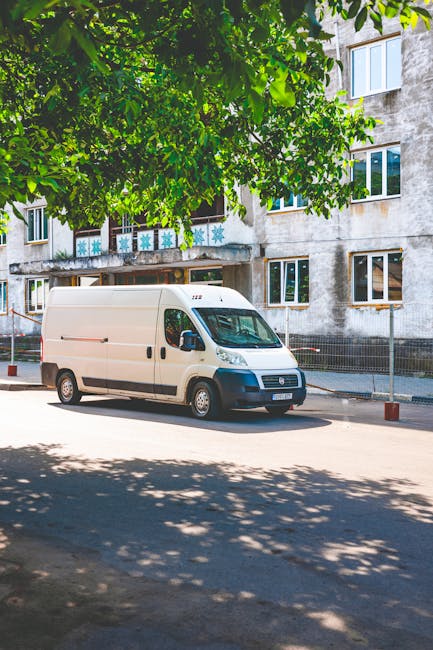
Common Mistakes to Avoid
Most access problems are avoidable. The repeat offenders are usually the same.
- Booking the wrong size of van: Too small means multiple trips. Too big can mean stressful access and wasted time.
- Ignoring loading distance: Even a short extra walk from van to door adds up when you are carrying furniture.
- Arriving at the busiest time of day: It may seem efficient, but congestion and parking pressure often slow everything down.
- Not checking stair or hallway access: A route might be fine outside yet awkward inside the property.
- Leaving boxes and rubbish in the way: A cluttered entry path slows the move and makes handling riskier.
- Assuming one vehicle solves everything: Sometimes a different service mix works better, especially for flats or smaller loads.
There is a certain optimism people bring to moving day. "It'll be fine," they say, while a three-seater sofa sits in the hallway like a stubborn monument. The optimism is lovely. The planning still helps more.
If you want a backup plan for delayed access, short-term holding, or staggered completion timing, it may be worth looking at storage in Harringay. That gives you breathing room when the move cannot all happen in one smooth run.
Tools, Resources and Recommendations
You do not need fancy software to plan a route well, but a few practical tools and habits help.
- Street view style route checking: Useful for spotting sharp corners, narrow approaches, and awkward parking bays.
- Printed or saved route notes: Handy for the driver and anyone coordinating from the property.
- Measuring tape: Essential if you are checking furniture widths against doorways or van load space.
- Labels and boxes list: Helps sequence the load so the crew is not hunting for essentials.
- Contact numbers ready to hand: If access changes or the parking situation shifts, quick communication saves time.
For customers who want a broader overview before booking, pages like removals Harringay and furniture removals Harringay are a good next step. If you need same-day help because plans changed, same day removals Harringay may also be relevant, though short-notice moves need especially careful access planning.
And if you are comparing how a provider handles service quality and customer care, the support pages such as insurance and safety and health and safety policy offer a useful reassurance that the move is being handled responsibly, not just quickly.
Law, Compliance, Standards, or Best Practice
For a local removals job, you do not usually need to become an expert in transport law. Still, there are sensible standards and best practices worth following.
Drivers should follow the normal road rules, observe local parking restrictions, and avoid unsafe stops that block access or create hazards for pedestrians and other road users. That sounds obvious, but on a cramped residential street, the temptation to "just nip in there for a minute" can cause problems very quickly.
Good practice also includes:
- Risk awareness: Checking for tight manoeuvres, low branches, parked vehicles, and blind turns before arrival.
- Safe lifting: Using proper handling techniques for heavy furniture and awkward items.
- Property protection: Avoiding damage to walls, kerbs, doors, and communal areas.
- Insurance awareness: Understanding what protection is in place before the move begins.
- Clear customer communication: Making sure timing, access, and any limitations are agreed in advance.
If you are checking provider standards, terms and conditions and payment and security are worth reviewing too. They help set expectations around booking, payment, and service scope. No one loves reading policies, fair enough, but it is better than discovering a mismatch on the day.
For businesses or tenants moving office contents, similar planning applies. See office removals Harringay for a move type where timing, access, and vehicle size can become even more critical.
Options, Methods, or Comparison Table
Different move setups call for different vehicle and route strategies. Here is a simple comparison.
| Option | Best for | Strengths | Possible drawback |
|---|---|---|---|
| Large removals van | Full house moves, larger furniture loads | More volume in one trip, efficient for bigger jobs | Needs more careful route and parking planning |
| Smaller man and van setup | Flats, smaller loads, tighter access | Easier to position on narrow streets, more flexible | May need more trips for larger loads |
| Hybrid approach | Awkward access with a substantial load | Can balance capacity and accessibility | Needs more coordination and clear timing |
In the Harringay Ladder, the hybrid approach is often the unsung hero. You might use a larger vehicle for the main load and a more flexible access plan for the final pickup. It is not flashy, but it works. And that is the point.
Case Study or Real-World Example
Picture a second-floor flat move in the Ladder on a weekday morning. The customer has a sofa, bed frame, wardrobe, several sealed boxes, and a narrow hallway that does not forgive careless stacking. A large van is available, but the immediate street outside the property is busy with parked cars on both sides.
Instead of chasing the shortest road, the move is planned around a wider final approach and a stop position that allows the crew to load efficiently without repeated repositioning. The driver arrives a little earlier than the main time window, checks visibility, and pauses where the van can be kept stable. Boxes come out first. The sofa comes last. The hallway stays clear. No one is backtracking every two minutes.
The result? Less time spent shuffling the vehicle, fewer bottlenecks at the pavement, and a far calmer move overall. Nothing magical. Just good route thinking and a team that understands the area.
If the customer had been moving into a particularly tight flat, they might also have benefited from the logic behind flat removals Harringay rather than treating it like a standard house job. Small difference on paper. Big difference on the day.
Practical Checklist
Use this checklist before the van arrives:
- Confirm the property address, entrance point, and ideal loading side.
- Check the route for narrow turns, parked-car pinch points, and likely congestion.
- Decide whether a large van is truly the best fit for the load.
- Clear hallways, steps, and doorways before arrival.
- Label boxes clearly and keep essentials separate.
- Protect floors and walls where possible.
- Make sure keys, contacts, and timing details are ready.
- Allow a little time buffer. Seriously, a little.
- Have a backup plan if access is blocked or parking is unavailable.
- Check whether storage or a split-load approach would reduce pressure.
If you are weighing up service quality and local trust signals, it can also help to look at the company's broader information pages, including the Harringay Green Lanes narrow streets guide and whether Harringay is a good place to call home. Those pieces give useful local context that can shape how you plan the move.
Conclusion
Finding the best route for large vans in the Harringay Ladder is really about reducing friction. You want a route that is safe, realistic, and kind to everyone involved: the driver, the property, the neighbours, and your own nerves. A little local knowledge goes a long way here.
For most moves, the winning approach is simple: choose the least stressful access route, match the vehicle to the street, and prepare the load so the van spends less time waiting around. Do that, and the day usually feels much more manageable. Not perfect, maybe. But manageable, and that counts for a lot.
Get a free quote today and see how much you can save.
If you are still deciding on the right setup, start with the route, then the vehicle, then the packing. That order tends to make life easier. And on moving day, easier is a very good thing.